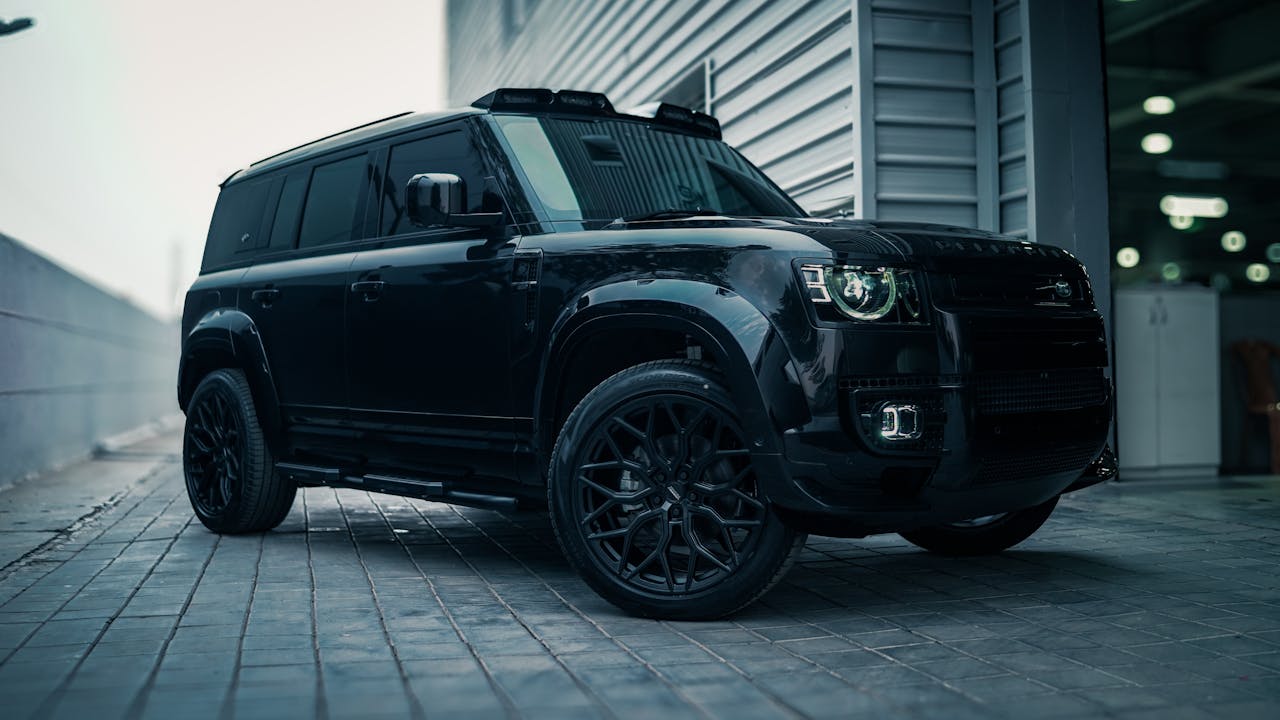
The rear windows of many SUVs and trucks arrive dark from the factory, and owners reasonably assume the job is done. It is not. Factory privacy glass is glass with dye worked into it during manufacture. It darkens the view and adds privacy, but it provides little ultraviolet protection for passengers and almost no heat rejection beyond the shade itself. Treating it as finished tint is the quiet neglect this piece is about.
For Charlotte families, the cost shows up slowly: rear-seat passengers, often kids, sitting in sun that the glass barely filters, leather and fabric fading unevenly, and a cabin that still bakes despite looking tinted. Underground window tinting can apply film over privacy glass, but first it helps to know exactly what you already have.
Dyed glass versus applied film
Privacy glass gets its color from pigment in the glass itself, typically letting through roughly a fifth to a quarter of visible light on rear windows. That is privacy, and it is permanent. What the pigment does not do is block the ultraviolet band in any meaningful way or reject infrared heat the way a purpose-built film does. Standard automotive glass blocks much of the shorter, sunburn-heavy UVB, but a large share of longer UVA passes through side glass, dyed or clear.
Applied film is engineered for those jobs. Even a light, nearly clear film can block up to 99 percent of ultraviolet light and reject a substantial share of infrared heat, without making the window any darker than the factory look you already like. That is the key point: over privacy glass, film is chosen for protection, not for shade.
What the numbers say
How the neglect compounds
Ultraviolet damage is cumulative and silent. A rear seat that carries a child seat for five Charlotte summers delivers five summers of UVA through glass the parents believed was protective. Interior materials pay too: the tops of rear seats, cargo-area plastics, and headrests fade and dry faster on the glass side, and the mismatch between protected front seats, if the fronts were filmed, and unprotected rears becomes visible at resale time. Heat follows the same pattern. The dark glass absorbs solar energy and re-radiates some of it inward, so a privacy-glass SUV can feel nearly as hot as a clear-glass one after a long park.
None of this is an emergency. It is a slow bill, paid in faded interiors and uncomfortable back seats, which is why it goes unnoticed. The fix is also straightforward: a light protective film over the rear glass, matched fronts within North Carolina limits, and the privacy appearance stays exactly as the factory made it.
Windshields are the exception worth knowing. Factory windshields are laminated and do block most ultraviolet, which is why dashboards fade less from the front than rear seat tops do from the sides. Side and rear glass, tempered rather than laminated on most vehicles, is where the protection gap lives. That is also where passengers sit closest to the glass for the longest stretches, on school runs and summer trips across the Piedmont, which makes the rear side windows the highest-value glass to protect even though they already look dark.
A quick self-test
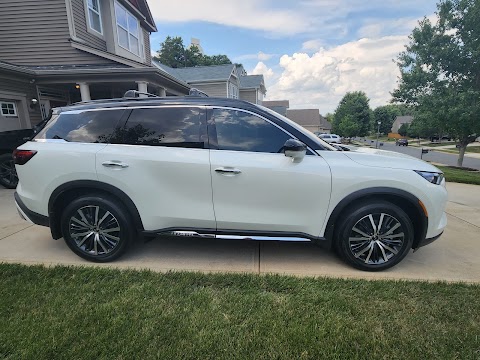
Sit in the rear seat on a sunny day and hold the back of your hand near the glass in direct sun. With privacy glass alone, the sun feels hot on skin almost immediately, because infrared is coming through. After protective film, that prickly heat is much reduced even though the glass looks the same. Also check for a small etched marking on the glass listing light transmission; if it only states a shade percentage and says nothing about UV, you are looking at privacy glass doing a privacy job only. Knowing that distinction is the whole decision.
Common questions
Does factory privacy glass block UV rays?
Only minimally. The dye provides shade and privacy, but substantial UVA still passes through. Applied film is what provides up to 99 percent UV blocking.
Can film be installed over privacy glass?
Yes. Film adheres to the inside surface of factory glass, and a light shade can add UV and heat protection without making the windows look much darker.
Will adding film make my rear windows too dark to be legal?
Rear window rules differ from front side window rules, and a shop can measure the combined transmission and choose a film that keeps you within North Carolina limits.
Photos in this guide are representative stock images.
← All guides from Underground window tinting← Back to Underground window tinting