Fresh tint often looks worse before it looks right. In the first days after an install in Charlotte, windows can show haze, small water pockets, and a milky patch or two that were not there in the shop. New owners panic, poke at a bubble, roll a window down to show a friend, and turn a normal cure into a real repair.
The cure period is simply the time the mounting solution between film and glass takes to evaporate and the adhesive takes to bond fully. Weather steers it. A July install cures fast in the heat. A January install, or a car kept in a cold garage, can take weeks. This seasonal guide from Underground window tinting explains what is normal, what is not, and what to leave alone.
Why new film looks hazy
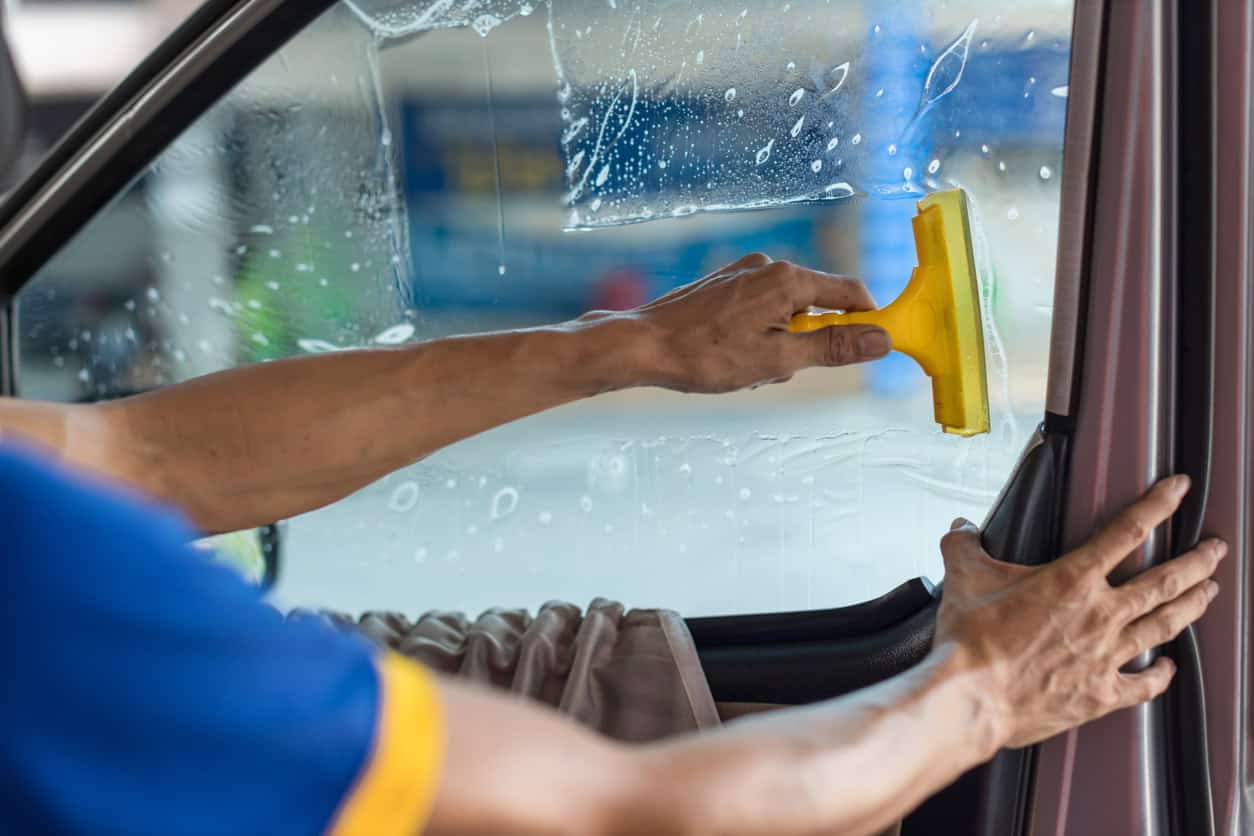
Film is applied wet. A slip solution lets the installer position and squeegee the film, and a thin residue of moisture remains trapped afterward, scattered unevenly. Light passing through that moisture looks hazy or blotchy. Tiny water pockets look like bubbles but are actually fluid that will work its way out through the film's pores and edges as it dries. True air bubbles and creases are different problems, but in week one most of what you see is water doing its slow exit.
Warmth and airflow speed evaporation, which is why parking in sun, within reason, helps a summer cure, while a shaded, humid stretch of Piedmont weather slows it. Do not help it along with heat guns, hair dryers, or pressing at pockets with a card. Uneven heat and pressure can shift film that has not bonded yet.
The first week checklist
Rules for the cure period
- Leave windows up for the period your installer states, commonly three to five days, so edges are not peeled by the window seals.
- Do not clean the inside of the glass until the film has cured and your installer says cleaning is safe.
- Leave water pockets, haze, and milky patches alone. Do not press, poke, or squeegee them yourself.
- Park in sun when practical to speed drying, especially after a cool-season install.
- Keep seatbelt buckles and kids' hands off fresh film, since a buckle snap against glass is a classic cause of chips and nicks.
- Watch for the real warning signs instead: edges lifting, large creases, grit trapped under film, or a pocket that grows after two weeks.
- When cleaning is allowed, use a soft microfiber cloth and a cleaner without ammonia, which can damage film and adhesive.
How the seasons change the wait
Summer installs in Charlotte often look clear within several days, helped by cabin heat. Spring and fall sit in the middle, with cure times around one to two weeks being unremarkable. Winter is the slow season: cold glass, short days, and garaged cars can stretch a full cure toward a month, and installers may give longer no-roll-down guidance after a cold snap. Humidity matters too. A rainy week at any time of year loads the air with moisture and slows evaporation through the film, so a hazy window during a wet spell is expected rather than alarming.
When to call the shop
Call if an edge is lifting or curling, if you see sharp creases or fingers of film pulling away at the corners, if dirt or a hair is visibly trapped under the film, or if haze and pockets look unchanged after the cure window your installer gave you has fully passed. Take a photo in daylight rather than describing it from memory. Most cure worries resolve on their own, and a good shop would rather hear the question in week one than meet a window you tried to fix with a credit card in week three. Patience, in this one case, is the entire maintenance plan. The film that looks cloudy on day two is usually the same film that looks clean and sharp on day twelve, provided nobody tried to hurry the process in between.
Common questions
Are bubbles in new tint normal?
Small water pockets and haze are normal during curing and usually disappear as the film dries. Large creases, lifting edges, or trapped grit are not part of curing and should be shown to the installer.
How long before I can roll my windows down?
Follow your installer's stated period, commonly three to five days, and longer in cold weather. Rolling down too early can catch and peel a film edge in the seal.
Can I wash my car during the cure?
An exterior wash is usually fine since the film is inside, but avoid cleaning the inside glass or using ammonia-based cleaners until the film has cured.
Photos in this guide are representative stock images.
← All guides from Underground window tinting← Back to Underground window tinting