Window film helps a parked car in Charlotte, but it does not turn it into a refrigerator. Every summer, drivers expect tint to solve a physics problem that tint can only reduce. A clear-eyed look at what film does across the year, from the first hot spell in May to the low winter sun, makes for better decisions and fewer disappointed Augusts.
At Underground window tinting, the heat conversation starts with limits. Film is one layer in a system that includes glass area, cabin color, ventilation, and where the car sits. Here is the honest version, season by season.
What film can do, in any month
Good film rejects a meaningful share of the solar energy coming through glass, including much of the ultraviolet light that fades interiors and the infrared portion that feels like heat on skin. That lowers peak cabin temperature compared with untinted glass, slows the bake-soak that makes seats and steering wheels untouchable, and reduces how hard the air conditioning works once you start driving. The benefit is largest through the windshield-adjacent and side glass facing the sun, and smallest on a car already parked in shade.
What film cannot do is stop heat that arrives by other routes. A metal roof conducts heat, hot air leaks in around seals, and a black dashboard stores energy and radiates it back for an hour. Interior temperatures in a closed car on a 95-degree Charlotte day will still climb to dangerous levels for children and pets, tinted or not. Film buys comfort and protects materials. It never makes leaving anyone in a parked car safe.
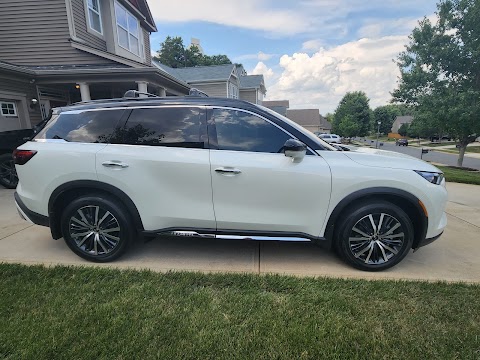
A year of heat, month by month in effect
| Season | What the sun does in Charlotte | What tint contributes | What still falls to you |
|---|---|---|---|
| Spring | Pollen, rising angles, first 80-degree days catch cabins unprepared | Cuts glare and early heat while AC season starts | Wash pollen off film gently and check wiper and seal edges |
| Summer | Long days, high sun, pavement heat, afternoon storms | Largest payoff: lower peak cabin heat, less AC load, UV protection at its most valuable | Use a windshield shade, park in shade when possible, never rely on tint for occupants left inside |
| Fall | Lower sun angle, strong side glare on morning and evening commutes | Side glass glare control becomes the main benefit | Notice scratches or edge lifting before winter moisture gets under film |
| Winter | Short days, weak midday heat, occasional ice | Modest heat effect, continued UV and glare benefit on bright cold days | Scrape ice from glass carefully so edges and defroster lines are not damaged |
Air conditioning load, honestly stated
Film reduces the solar part of the cooling job, so the cabin reaches a comfortable temperature sooner and the system cycles less hard on the highway. It does not change the engine, the refrigerant, or a weak compressor. If a car's air conditioning blows warm at idle or smells musty, tint will not fix it, and treating film as an alternative to an AC repair just postpones the repair into the hottest week. Think of tint as reducing demand, and the AC system as supply. Both need to be sound.
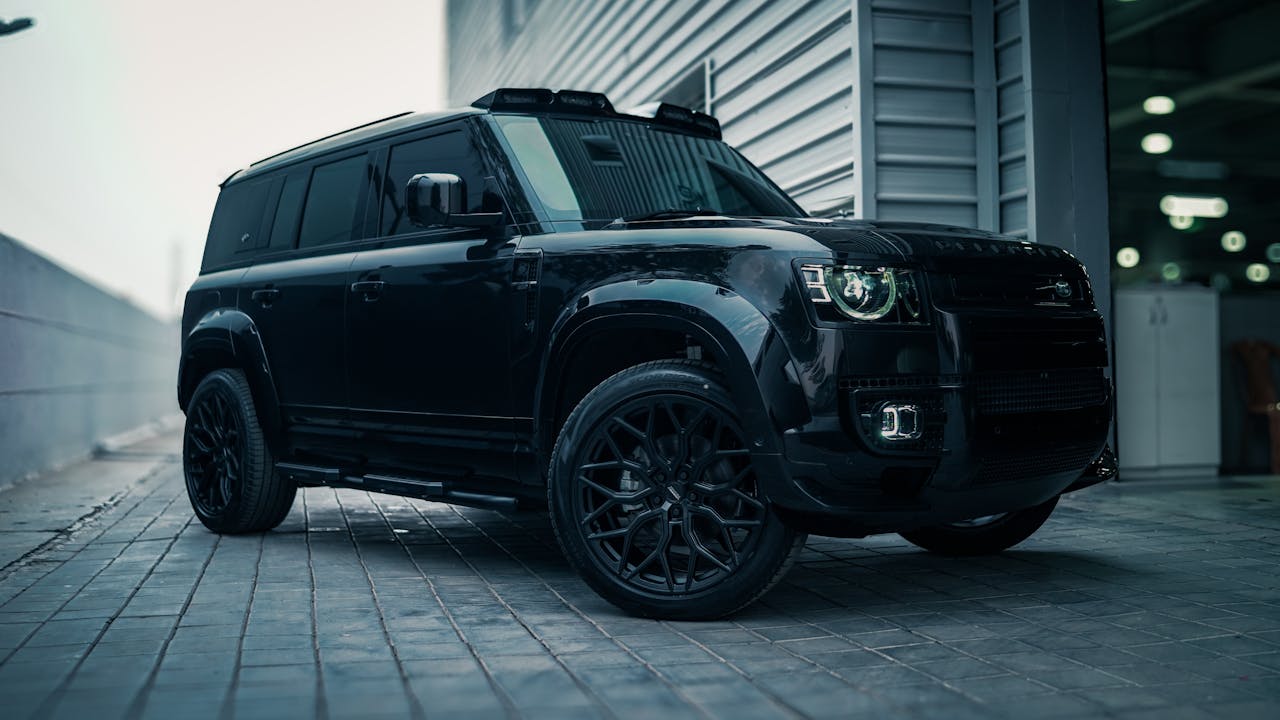
Setting expectations before the install
Ask for rejection figures for the exact film and shade being installed, measured across total solar energy, not a single flattering wavelength. Expect a parked car to be noticeably less brutal, not cool. Expect seats and the wheel to be touchable sooner, dashboards and leather to age more slowly, and commutes to feel calmer in low sun. Paired with a windshield shade and sensible parking, that is a real improvement in Charlotte heat, which is exactly what good film promises when it is sold straight.
Measuring the difference yourself
You can feel the film's contribution without instruments. On a sunny day, hold your hand in the sun patch coming through a filmed side window, then through the windshield if it is unfilmed, and the difference in prickly heat on skin is immediate. That is infrared rejection at work, and it is the sensation that matters on a commute. A dashboard thermometer tells the parked-car story less reliably, because placement in sun or shade swings the reading more than film does. Judge film by comfort underway and by how touchable surfaces are after a park, not by chasing a single peak number, and you will have expectations the product can actually meet all summer.
Common questions
How much cooler will tint make my parked car?
Noticeably less hot than untinted glass, but still far above outside air on a summer day. Film reduces solar gain through glass; it does not refrigerate a closed cabin.
Does tint help my air conditioning?
Yes, by reducing the heat load the system must remove, so the cabin cools down faster. It does not repair a weak AC system or replace maintenance.
Is tint useful in winter?
The heat benefit is small, but ultraviolet protection and glare control continue year round, and the film keeps protecting interior materials on bright cold days.
Photos in this guide are representative stock images.
← All guides from Underground window tinting← Back to Underground window tinting